Professional Machining & Machine Shop Capabilities for Custom Industrial Parts
Professional machining and machine shop services are essential to the creation of custom industrial elements. These services address the needs of multiple industries, ensuring precision and quality in every component. Skilled machinists utilize advanced techniques to meet specific project demands. Understanding the complexities of these processes can substantially influence product outcomes. As industries develop, so too do the technologies that drive these solutions. What does this mean for future manufacturing operations?
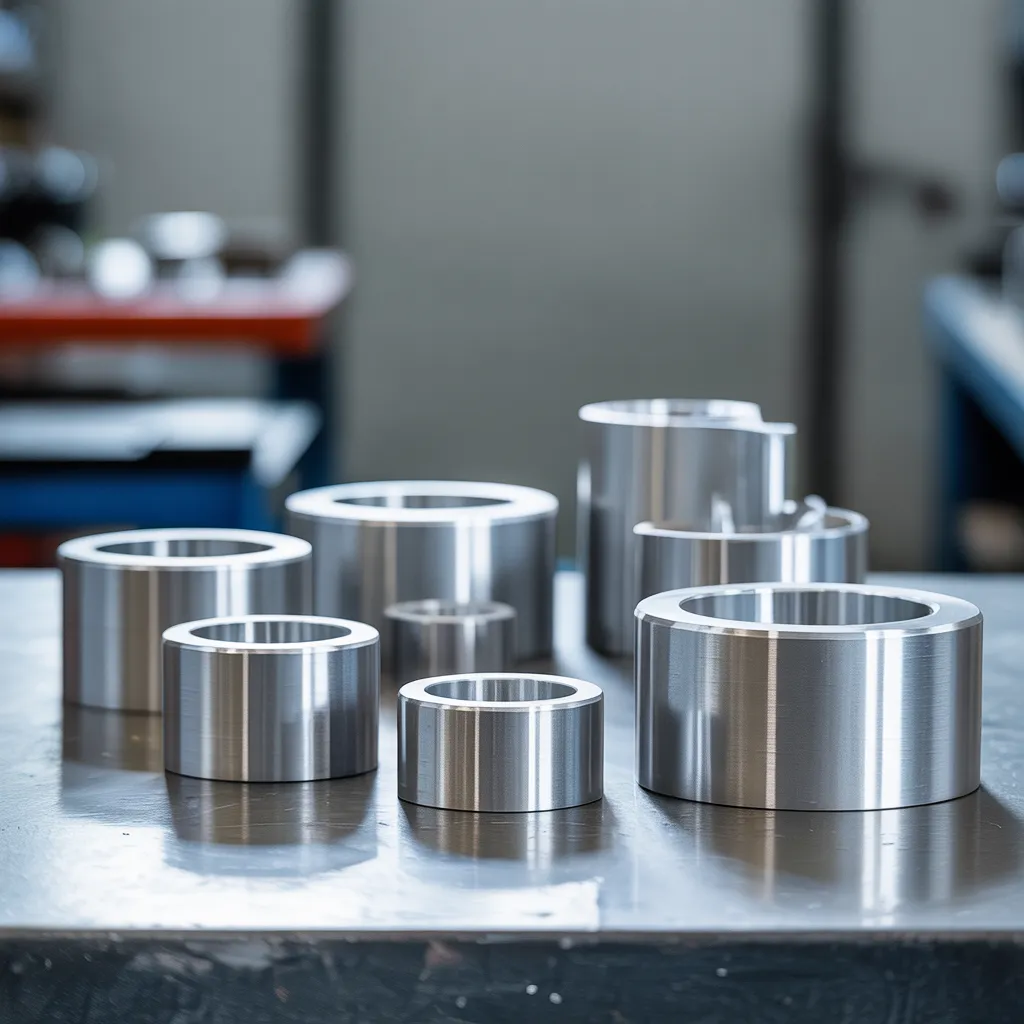
Key Benefits of Custom Machined Parts Throughout Various Industries
Although mass-produced components have their place, custom machined parts present clear advantages that can substantially enhance different industries. One of the key benefits is precision; custom machining allows for exact specifications suited to specific applications, providing superior performance. This level of accuracy reduces the likelihood of errors and lessens the need for adjustments during assembly.
In addition, custom machined parts provide greater material versatility, enabling engineers to choose suitable materials based on the environmental conditions and performance requirements. This adaptability can substantially boost the longevity and durability of components.
Moreover, custom solutions can stimulate innovation, as unique designs can lead to enhanced functionality and efficiency. In fields such as aerospace, automotive, and medical, where performance is essential, these merits become essential. Finally, the ability to produce specialized parts contributes to increased productivity and competitiveness in different industries.
What Are Expert Machining and Machine Shop Services?
Specialized machining and machine shop solutions deliver a thorough range of services tailored to meet the demands of various industries. These solutions include a variety of processes, including accurate machining, CNC machining, milling, turning, and grinding, facilitating the manufacturing of intricate and precise components. Expert machinists employ cutting-edge technology and equipment to ensure precision and productivity in manufacturing custom parts.
Additionally, expert machining services typically include design consultation, prototyping, and quality assurance, guaranteeing that the final products fulfill stringent specifications and industry standards. With capabilities to work with a broad range of materials, from metals to plastics, these machine shop solutions cater to sectors such as aerospace, automotive, medical, and energy. By leveraging proficiency in machining techniques and industry expertise, these service providers help organizations accomplish their production goals while maintaining top-tier outcomes.
Choosing the Right Machining Partner: Key Considerations to Consider
When choosing the ideal machining partner, what key factors should be taken into account? Initially, the partner's expertise and experience in the pertinent industry must be evaluated. This includes assessing their understanding of specific materials and processes associated with the project. Furthermore, the machining capabilities should align with project requirements, such as precision, complexity, and volume.
Another important factor is the quality assurance methods in place. A reputable partner will have comprehensive quality control measures to certify that all parts meet industry standards. Customer service and communication are of equal significance, as a collaborative relationship can enable seamless project execution.
Finally, cost-effectiveness should be considered, striking a balance between quality alongside budget restrictions. A comprehensive evaluation of potential partners using these factors can pave the way for a productive collaboration, ultimately resulting discover here in high-quality custom parts that fulfill or go beyond expectations.
How Advanced Technologies Are Reshaping Machining Services
Progress in technology are markedly transforming machining services, improving performance and precision in the production of custom parts. The integration of computer numerical control (CNC) machines enables automated and highly precise operations, limiting human error and enhancing output consistency. Additionally, the adoption of additive manufacturing technologies allows complex geometries to be created with minimal waste, thus promoting sustainability.
Software advancements, like CAD and CAM, facilitate superior design and simulation processes, enabling engineers to conceptualize and test components before physical production. In addition, real-time data analytics and IoT connectivity strengthen monitoring and maintenance, contributing to reduced downtime and optimized production schedules.
These advanced technologies not only enhance operational efficiency but also permit machine shops to react more quickly to market pressures. As a result, firms can present customized solutions while maintaining competitive pricing and shorter lead times, ultimately revolutionizing the landscape of machining services.
Managing the Journey: From Prototype to Large-Scale Manufacturing
Even though moving from prototype to full-scale production can be complex, a structured process can optimize this journey. At the outset, clear specifications and design documentation are critical, making certain that all stakeholders comprehend the project requirements. Following this, a complete evaluation of production capabilities, materials, and technology must be conducted to pinpoint the most effective methods.
Following this, a pilot run is frequently implemented to assess the manufacturing process, allowing the identification of potential issues before full-scale production starts. During this phase, collaboration between engineers and production teams aids in refining techniques for efficiency and quality assurance.
When pilot validation is complete, scaling up production requires meticulous planning, involving management of timelines and allocation of resources. Continuous monitoring and feedback loops will help copyright quality and accommodate any unforeseen challenges. Through adherence to these steps, businesses can effectively shift from prototype stage to full-scale manufacturing, securing both product integrity and operational efficiency.
Popular Questions
What Materials Are Compatible with Custom Machined Parts?
Numerous materials can be implemented for custom machined parts, including aluminum, steel, titanium, brass, and plastics. The choice depends on factors such as strength, weight, corrosion resistance, and the specific application demands.
How Do I Maintain Design Accuracy in My Specifications?
To maintain design accuracy in specifications, one should make use of precise measurement tools, create in-depth drawings, engage in thorough reviews, and collaborate with experienced engineers. Regular feedback and iterative prototyping can also boost overall precision and reliability.
What Is the Normal Turnaround Time for Custom Machining Projects?
Average turnaround time for custom machining projects fluctuates, generally ranging from a couple of days to a number of weeks. Variables influencing this include the complexity of the project, materials availability, and the shop's production load, impacting overall production timelines.
Are There Minimum Order Quantities for Custom Machined Parts?
Usually, custom machined parts have minimum order quantities, which can change in relation to the technical demands, material, and machining processes involved. These requirements ensure efficient production and cost-effectiveness for both the manufacturer and the client.
What's the Best Way to Maintain My Custom Machined Parts After Production?
To preserve custom machined parts after production, consistent cleaning, lubrication, and inspection for wear are vital. Furthermore, storing parts in a controlled environment can prevent corrosion and extend their operational lifespan considerably.